

TL;DR: A sales call follow up email is a strategic message sent after a phone conversation to reinforce key discussion points, provide promised information, and maintain momentum toward closing a deal. Effective follow-ups should be sent within 24 hours, include clear next steps, and personalize content based on the conversation to increase engagement and conversion rates.
Frequently Asked Questions
What is a sales call follow up email?
A sales call follow up email is a message sent to a prospect after a sales conversation to maintain engagement, summarize key discussion points, and outline next steps. This email reinforces your value proposition, addresses any concerns raised during the call, and keeps the sales process moving forward. Effective follow-up emails typically include a personalized recap, relevant resources, and a clear call-to-action.
When should you send a sales call follow up email?
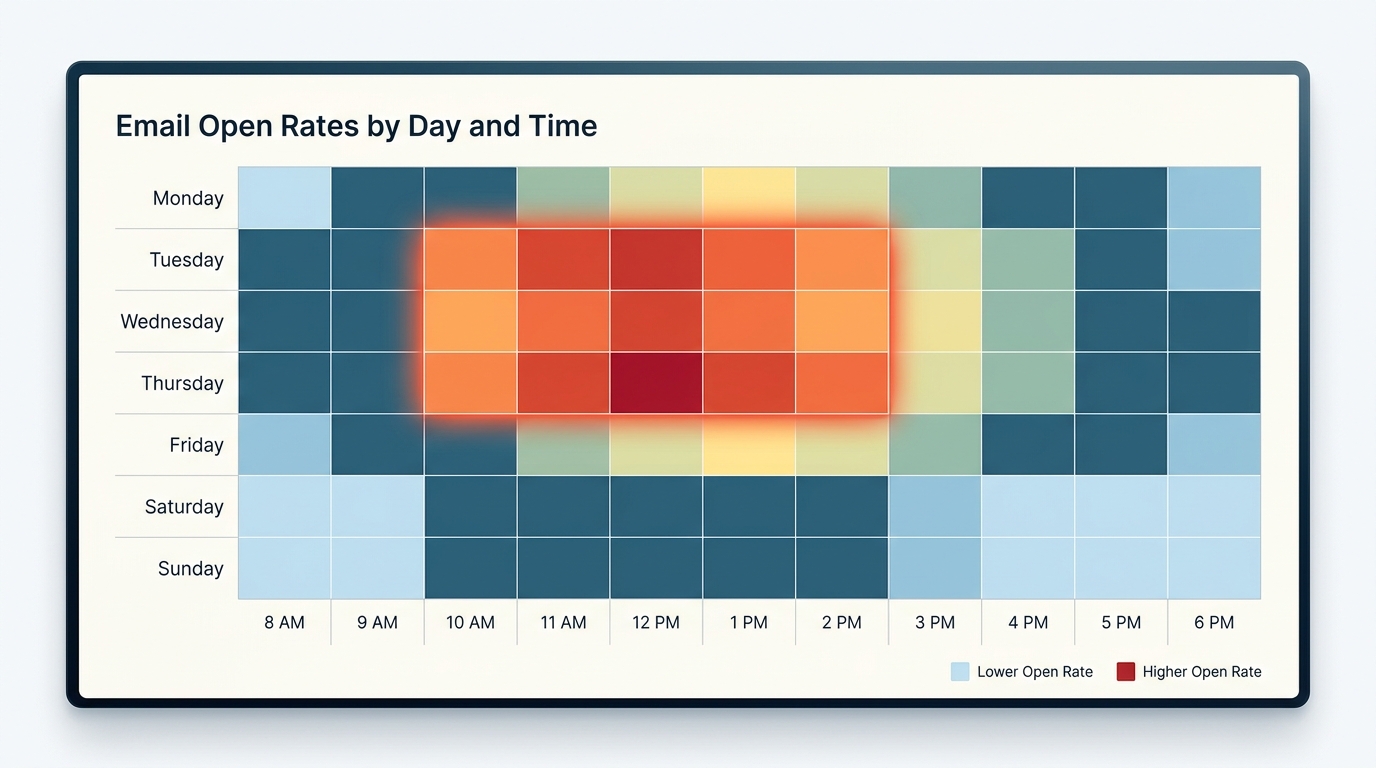
Send a sales call follow up email within 24 hours of your conversation while the discussion remains fresh in the prospect’s mind. Immediate follow-up demonstrates professionalism and enthusiasm. For optimal results, send your email during business hours on weekdays, preferably Tuesday through Thursday between 10 AM and 2 PM when open rates are highest. Timing significantly impacts response rates and deal progression.
How do you write an effective sales call follow up email?
Write an effective sales call follow up email by starting with a personalized subject line, opening with gratitude for their time, and recapping key discussion points. Include specific details mentioned during the call to show active listening. Address any questions or concerns raised, provide promised resources or information, and end with a clear next step or call-to-action. Keep the email concise, focused, and value-driven.
What should be included in a sales call follow up email?
A sales call follow up email should include a personalized greeting, thank you statement, conversation summary highlighting key points discussed, answers to any questions raised, relevant resources or case studies, proposed next steps with specific dates or times, and a clear call-to-action. Additionally, include your contact information and any materials promised during the call to demonstrate reliability and professionalism.
How can automation improve sales call follow up emails?
Automation improves sales call follow up emails by ensuring timely delivery, maintaining consistency across your sales team, and enabling personalization at scale. Automated tools can trigger follow-ups based on call completion, insert dynamic fields for customization, track engagement metrics, and schedule multi-touch sequences. This increases efficiency while maintaining the personal touch needed for effective sales communication and higher reply rates.
What are common mistakes to avoid in sales call follow up emails?
Common mistakes include sending generic, impersonal messages, waiting too long to follow up, failing to reference specific call details, being too pushy or sales-focused, writing lengthy emails, not including a clear next step, and forgetting to proofread. Avoid using overly formal language or industry jargon. Also, don’t send attachments without context or fail to provide value beyond asking for a meeting.
How many follow up emails should you send after a sales call?
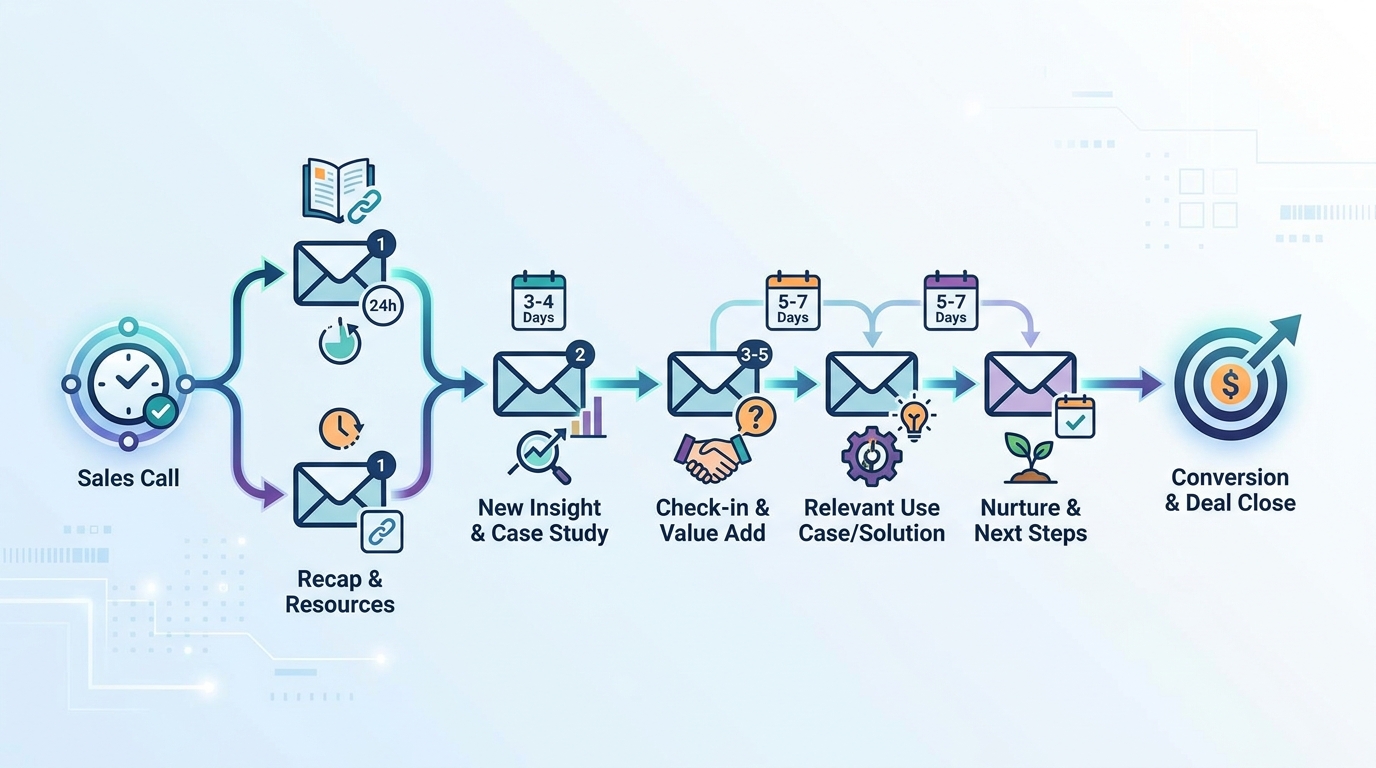
Send 3-5 follow up emails after a sales call if you don’t receive a response. The first should go within 24 hours, the second after 3-4 days, and subsequent emails spaced 5-7 days apart. Each email should provide new value, different angles, or additional resources rather than repeating the same message. Persistence balanced with respect increases response rates without appearing desperate or annoying.
What is the ideal length for a sales call follow up email?
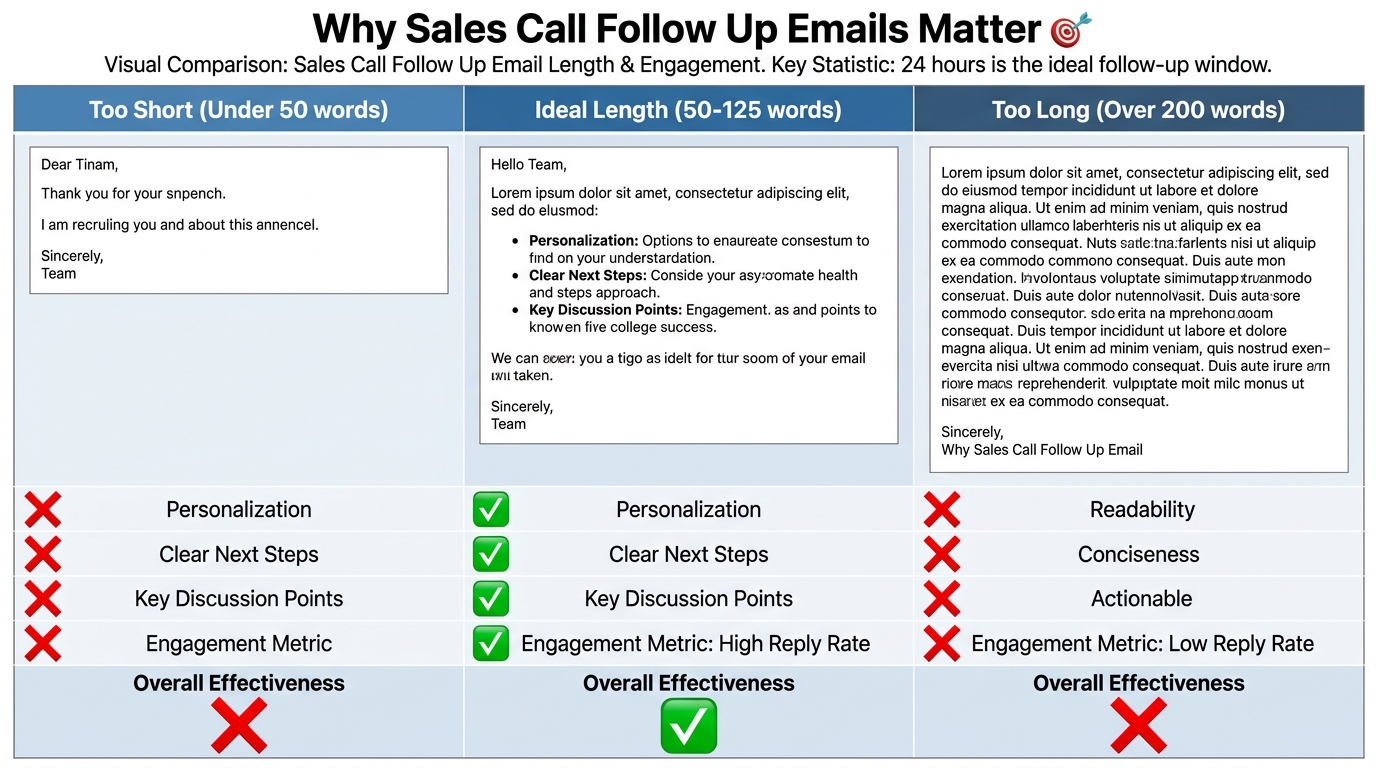
The ideal sales call follow up email length is 50-125 words or 3-5 short paragraphs. This length is concise enough to respect the recipient’s time while providing sufficient detail to recap the conversation and propose next steps. Busy prospects are more likely to read and respond to brief, scannable emails. Use bullet points, short sentences, and clear formatting to enhance readability and engagement.
Master the Art of Sales Call Follow Up Email 📧
A well-crafted sales call follow up email can be the difference between closing a deal and losing a prospect forever. After investing time in a sales call, your follow-up email serves as a critical touchpoint that reinforces your value proposition, addresses concerns, and moves the conversation forward.
Sales professionals who master follow-up communication consistently outperform their peers. Yet many struggle with timing, messaging, and structure when it comes to post-call emails.
This comprehensive guide will walk you through proven strategies for creating sales call follow up emails that get responses, build relationships, and drive conversions. Whether you’re a seasoned B2B sales rep or just starting your outreach journey, these techniques will transform your follow-up game.
Why Sales Call Follow Up Emails Matter 🎯
The fortune is in the follow-up. Research shows that 80% of sales require five follow-up calls after the initial meeting, yet 44% of salespeople give up after just one follow-up attempt.
Your follow-up email serves multiple strategic purposes:
- Reinforces key discussion points from your conversation
- Demonstrates professionalism and attention to detail
- Provides documented next steps for both parties
- Keeps momentum alive in the sales process
- Addresses objections that may have surfaced during the call
When you send a thoughtful follow-up email promptly after your sales call, you position yourself as organized, reliable, and genuinely interested in solving your prospect’s problems. This professional approach builds trust and differentiates you from competitors who may be less diligent.
The Perfect Timing for Your Follow-Up Email ⏰
Timing can make or break your follow-up strategy. Send too soon, and you appear desperate. Wait too long, and the prospect loses interest or forgets key details from your conversation.
The 24-Hour Rule
The optimal window for sending your sales call follow up email is within 24 hours of your conversation. This timeframe strikes the perfect balance—your discussion is still fresh in the prospect’s mind, yet you’ve given them enough time to process the information.
For calls that occur late in the day, sending your follow-up the next morning demonstrates promptness without appearing overeager. If your call happens early in the week, aim for same-day or next-business-day delivery.
Time Zone Considerations
Always send your follow-up during business hours in your prospect’s time zone. Emails sent between 10 AM and 2 PM typically see higher open rates, as prospects are settled into their workday but not yet overwhelmed with afternoon tasks.
| Call Time | Recommended Follow-Up | Rationale |
|---|---|---|
| Morning (8-11 AM) | Same day afternoon | Strike while iron is hot |
| Afternoon (12-3 PM) | Next morning | Allow processing time |
| Late Day (4-6 PM) | Next morning 9-10 AM | Catch them fresh |
| Friday calls | Monday morning | Avoid weekend inbox burial |
Essential Components of an Effective Sales Call Follow Up Email 📝
Every successful follow-up email contains specific elements that work together to drive action. Understanding these components helps you craft messages that resonate and convert.
1. A Compelling Subject Line
Your subject line determines whether your email gets opened or ignored. Reference your conversation specifically to trigger recognition and urgency.
- “Following up on our conversation about [specific topic]”
- “Next steps for [Company Name]’s [goal discussed]”
- “[Prospect Name] – Resources from today’s call”
- “Quick recap: [Key benefit] for [Company Name]”
2. Personalized Opening
Start by thanking them for their time and referencing a specific detail from your conversation. This proves you were actively listening and value the relationship beyond just making a sale.
Avoid generic openings like “I hope this email finds you well.” Instead, reference something personal or specific they mentioned during your call.
3. Conversation Summary
Provide a brief recap of the key points discussed. This serves as a memory refresher and ensures you’re both aligned on what was covered. Keep this section concise—3-5 bullet points maximum.
4. Value Addition
Include something of value that wasn’t part of the original call. This could be:
- A relevant case study or white paper
- Additional data supporting your solution
- Answers to questions they raised
- Industry insights related to their challenges
5. Clear Next Steps
Never leave your prospect wondering what happens next. Specify concrete actions with dates and times when possible. Make it easy for them to move forward by providing calendar links or specific meeting time options.
6. Professional Signature
Include your full contact information, title, and company details. Make yourself accessible through multiple channels—phone, email, and LinkedIn.
Proven Sales Call Follow Up Email Templates 💼
Having a framework accelerates your follow-up process while maintaining personalization. Here are battle-tested templates for different scenarios.
Template 1: Standard Discovery Call Follow-Up
Subject: Great connecting today, [First Name]
Hi [First Name],
Thank you for taking the time to speak with me today about [specific challenge discussed]. I enjoyed learning more about [Company Name]’s goals around [specific goal].
As we discussed, here’s a quick recap of the key points:
- [Key point 1 from conversation]
- [Key point 2 from conversation]
- [Key point 3 from conversation]
Based on your interest in [specific area], I’ve attached a case study showing how we helped [similar company] achieve [specific result]. I think you’ll find the approach particularly relevant to your situation.
For next steps, I’d love to schedule a demo to show you exactly how [solution] can address [specific pain point]. Are you available next Tuesday or Wednesday at 2 PM?
Looking forward to continuing our conversation.
Template 2: Follow-Up After Demo Call
Subject: [Company Name] Demo Recap + Next Steps
Hi [First Name],
Thanks again for the opportunity to walk through [product/service] today. It was great to see your reaction to [specific feature they liked].
As promised, here are the resources we discussed:
- [Link to demo recording]
- [Pricing information or proposal]
- [Implementation timeline]
You mentioned wanting to discuss this with [stakeholder name]. I’m happy to join that conversation or provide any additional materials that would be helpful for your internal discussion.
I’ll follow up on [specific date] to answer any questions that come up. In the meantime, feel free to reach me directly at [phone number].
Template 3: Follow-Up When Prospect Needs Time
Subject: No pressure – staying connected
Hi [First Name],
I know you mentioned needing some time to [specific reason – review budget, talk to team, etc.]. I completely understand and want to respect your timeline.
In the meantime, I came across this article about [relevant topic] and immediately thought of our conversation about [challenge]. I think you’ll find the section on [specific part] particularly interesting given what you shared about [their situation].
I’ve penciled in [specific date two weeks out] to reconnect. Does that timing still work for you, or would you prefer I reach out sooner/later?
No need to respond if you’re heads-down. I’ll check back then unless I hear otherwise.
Setting Up Your Email Infrastructure for Success 🔧
Before you can send effective follow-up emails, you need the right technical foundation. Your email setup directly impacts deliverability and response rates.
Choosing the Right Email Platform
Professional sales teams need reliable email infrastructure. Whether you’re using gmail email account create for a new business domain or working with godaddy and email hosting, proper configuration is essential.
For those managing multiple accounts, knowing how i make new email addresses for different campaigns helps maintain organization and sender reputation. If you’re transitioning from personal to professional email, understanding gmail email account recovery ensures you never lose access to important conversations.
Many sales professionals also maintain backup access through services like email with att net or need to sign in for att email when working across multiple devices. Similarly, those who log into hotmail email or check my emails yahoo should ensure all accounts are properly configured for professional outreach.
Technical Requirements
Proper email authentication prevents your carefully crafted follow-ups from landing in spam folders:
- SPF records: Verify your domain is authorized to send emails
- DKIM signatures: Add encryption to prove email authenticity
- DMARC policies: Protect your domain from spoofing
- Custom tracking domain: Maintain deliverability when tracking opens and clicks
If you’re working with godaddy and email services or similar providers, most offer step-by-step guides for configuring these authentication protocols. Taking time to set these up correctly pays dividends in long-term deliverability.
Integrating CRM for Streamlined Follow-Up 📊
Manual follow-up processes don’t scale. Modern sales teams leverage crm inside sales systems to automate tracking, scheduling, and personalization at scale.
Key CRM Features for Follow-Up Success
Your CRM should support your follow-up workflow with these capabilities:
| Feature | Benefit | Impact on Follow-Up |
|---|---|---|
| Call logging | Automatic conversation capture | Never forget discussion details |
| Email templates | Consistent messaging at scale | Faster, more professional outreach |
| Task automation | Scheduled follow-up reminders | No prospect falls through cracks |
| Email tracking | Open and click notifications | Time follow-ups based on engagement |
| Pipeline visibility | Clear next-step tracking | Prioritize high-value opportunities |
A well-configured crm inside sales system transforms follow-up from a manual chore into an automated, data-driven process. This allows sales teams to focus on relationship-building rather than administrative tasks.
For teams looking to enhance their outreach capabilities, exploring AI-Powered Tools to Supercharge B2B Sales Reps’ Outreach can provide additional automation and personalization at scale.
Writing Effective Follow-Up Email Copy ✍️
Understanding how can we write email content that converts requires both art and science. Your copy must balance professionalism with personality, persistence with respect.
The Psychology of Persuasive Follow-Ups
Effective follow-up emails tap into key psychological principles:
- Reciprocity: Provide value first, ask for commitment second
- Social proof: Reference similar companies or results
- Scarcity: Mention limited availability or time-sensitive opportunities
- Consistency: Reference their stated goals and commitments
- Authority: Share relevant expertise or industry insights
Writing Tips for Higher Response Rates
Apply these copywriting techniques when crafting your follow-up messages:
- Lead with value: Start with what’s in it for them, not you
- Use specific numbers: “Increase conversions by 34%” beats “improve results”
- Ask one question: Multiple questions dilute focus and reduce response rates
- Keep it scannable: Use short paragraphs, bullets, and white space
- End with clarity: Make the next step obvious and easy
When considering how can we write email content that stands out, remember that clarity trumps cleverness. Your prospect should understand your message and desired action within 10 seconds of opening your email.
Multi-Touch Follow-Up Sequences 🔄
Rarely does a single follow-up email close a deal. Strategic sales professionals develop multi-touch sequences that nurture prospects over time without becoming annoying.
The 7-Touch Framework
Research suggests it takes 7-13 touches to generate a qualified lead. Here’s a proven sequence structure:
| Touch | Timing | Channel | Purpose |
|---|---|---|---|
| 1 | Within 24 hours | Recap and resources | |
| 2 | Day 3 | Additional value/case study | |
| 3 | Day 5 | Share relevant content | |
| 4 | Day 8 | Phone | Direct conversation attempt |
| 5 | Day 10 | Answer potential objections | |
| 6 | Day 15 | Check-in with new angle | |
| 7 | Day 21 | Final attempt/breakup email |
The Breakup Email Strategy
When prospects go silent, a well-crafted “breakup email” often generates surprising response rates. This approach acknowledges the silence while giving them an easy out:
“Hi [First Name], I haven’t heard back and don’t want to be a pest. Should I assume this isn’t a priority right now? If so, no worries—I’ll stop reaching out. Just let me know either way so I can plan accordingly.”
This respectful approach frequently prompts responses from prospects who were simply busy or overwhelmed. It demonstrates professionalism while creating urgency through potential loss.
Measuring and Optimizing Follow-Up Performance 📈
What gets measured gets improved. Tracking key metrics helps you refine your follow-up strategy over time.
Critical Follow-Up Metrics
Monitor these KPIs to gauge effectiveness:
- Open rate: Are your subject lines compelling? (Target: 40-50%)
- Response rate: Is your message resonating? (Target: 10-15%)
- Click-through rate: Are prospects engaging with resources? (Target: 5-10%)
- Meeting booking rate: Are you moving prospects forward? (Target: 5-8%)
- Time to response: How quickly do prospects reply? (Faster = higher interest)
A/B Testing Your Follow-Ups
Continuous improvement requires experimentation. Test these variables:
- Subject line length: Short vs. detailed
- Email length: Brief vs. comprehensive
- Send time: Morning vs. afternoon
- Value proposition: Different benefits or angles
- Call-to-action: Meeting request vs. question vs. resource share
Make one change at a time and send to a statistically significant sample size before drawing conclusions. Over time, these incremental improvements compound into dramatically better results.
Common Follow-Up Mistakes to Avoid ⚠️
Even experienced sales professionals fall into these follow-up traps. Awareness helps you avoid them.
The Seven Deadly Sins of Follow-Up
- Generic messaging: Copy-paste templates without personalization kill credibility
- Too aggressive: Daily follow-ups feel desperate and damage relationships
- No value added: “Just checking in” emails waste everyone’s time
- Unclear next steps: Vague endings leave prospects confused about what to do
- Ignoring signals: Continuing to push after clear disinterest annoys prospects
- Poor grammar/typos: Careless errors undermine professionalism
- Wrong timing: Late-night or weekend emails suggest poor boundaries
The “Just Checking In” Trap
The phrase “just checking in” signals you have nothing valuable to say. Instead, lead with specific value:
- “I came across this data about [their industry] and thought of you…”
- “Following up on the [specific concern] you mentioned…”
- “I have an idea about [their challenge] I’d love to run by you…”
Every follow-up should have a legitimate reason beyond “I want your business.” When you consistently provide value, prospects welcome your emails rather than avoiding them.
Advanced Follow-Up Strategies for Complex Sales 🎓
Enterprise sales with multiple stakeholders require sophisticated follow-up approaches beyond standard templates.
Multi-Threading Your Follow-Up
In complex B2B sales, decisions involve multiple stakeholders. Your follow-up strategy should engage the entire buying committee:
- Champion: Keep them armed with information to advocate internally
- Economic buyer: Focus on ROI and strategic alignment
- Technical evaluator: Provide detailed specs and implementation details
- End users: Emphasize usability and daily benefits
Customize your follow-up messaging for each stakeholder’s priorities and concerns. What resonates with a CFO differs dramatically from what matters to a department head.
Video Follow-Up Emails
Personalized video messages dramatically increase engagement and response rates. Record a brief 60-90 second video addressing your prospect by name, referencing your conversation, and providing next steps.
Videos humanize your outreach and demonstrate extra effort, helping you stand out in crowded inboxes. They’re particularly effective for re-engaging cold prospects or addressing complex topics that benefit from visual explanation.
Leveraging Social Selling
Complement email follow-ups with strategic social media engagement. After your call:
- Connect on LinkedIn with a personalized note
- Engage with their company’s content (likes, thoughtful comments)
- Share relevant articles and tag them when appropriate
- Participate in discussions where they’re active
This multi-channel approach keeps you visible without relying solely on email. It builds relationship depth that single-channel outreach cannot achieve.
For teams looking to enhance their overall outreach strategy, understanding Email and Texting: Which Outreach Channel Converts Better? provides valuable insights into channel optimization.
Email Management Best Practices for Sales Teams 📬
Managing high-volume follow-up requires organizational discipline. Implement these systems to stay on top of your outreach.
Inbox Organization Strategies
Create a folder structure that supports your follow-up workflow:
- Awaiting Response: Follow-ups sent, pending reply
- Action Required: Responses needing your attention
- Scheduled Follow-Up: Future touches planned
- Won/Lost: Archived conversations for learning
For professionals managing multiple accounts or learning how i make new email addresses for different campaigns, maintaining clear organization prevents important follow-ups from slipping through the cracks.
Those needing guidance on basic email management can reference resources like How to Add Email Account to iPhone or How do you make a Group Email on Gmail for foundational setup help.
Email Productivity Tools
Leverage technology to streamline your follow-up process:
- Email scheduling: Write when inspired, send at optimal times
- Template libraries: Maintain consistent messaging across your team
- Snippet tools: Insert common phrases with keyboard shortcuts
- Read receipts: Know when prospects engage with your message
- Email tracking: Monitor opens and clicks to time follow-ups
Understanding features like how to withdraw Gmail email after sending can save you from embarrassing mistakes, while knowing how to be more responsive to emails improves your overall communication effectiveness.
Building a Follow-Up Culture in Your Sales Organization 🏢
Individual excellence matters, but organizational systems create consistent results across your entire sales team.
Standardizing Follow-Up Processes
Document your follow-up methodology so every team member follows proven approaches:
- Create a follow-up playbook: Template library with use cases
- Define timing standards: When to send each touch
- Establish quality criteria: What makes a good follow-up
- Set activity metrics: Expected follow-up volume per rep
- Implement peer review: Regular feedback on follow-up quality
Training and Development
Invest in ongoing education around follow-up best practices:
- Weekly email copy reviews and critique sessions
- Share examples of high-performing follow-ups
- Role-play difficult follow-up scenarios
- Analyze response data to identify patterns
- Bring in outside experts for fresh perspectives
Organizations that prioritize follow-up excellence see measurably better conversion rates and shorter sales cycles. This discipline compounds over time as best practices become embedded in team culture.
For teams building out their sales infrastructure, exploring resources on cold email lead generation can help identify talent that excels at systematic follow-up.
The Future of Sales Follow-Up: AI and Automation 🤖
Artificial intelligence is transforming how sales teams handle follow-up at scale while maintaining personalization.
AI-Powered Personalization
Modern tools analyze prospect behavior and automatically customize follow-up messaging:
- Behavioral triggers: Send follow-ups based on website visits or content downloads
- Sentiment analysis: Adjust tone based on prospect’s previous responses
- Optimal timing: AI determines when each prospect is most likely to engage
- Content recommendations: Suggest relevant resources based on prospect profile
Balancing Automation and Authenticity
While automation increases efficiency, maintaining genuine human connection remains critical. The most effective approach combines:
- Automated scheduling: Let technology handle timing
- Template frameworks: Start with proven structures
- Manual personalization: Add human touches that matter
- Strategic human touchpoints: Reserve key moments for personal outreach
The goal isn’t to replace human salespeople with robots, but to free sales professionals from repetitive tasks so they can focus on high-value relationship building.
Transform Your Sales Follow-Up Today 🚀
Mastering the sales call follow up email isn’t optional—it’s essential for modern B2B sales success. The strategies, templates, and systems outlined in this guide provide everything you need to transform your follow-up from an afterthought into a competitive advantage.
Remember these key principles:
- ⏰ Timing matters: Follow up within 24 hours while the conversation is fresh
- 💎 Always add value: Every email should provide something useful beyond “checking in”
- 🎯 Be specific: Reference exact details from your conversation to prove you were listening
- 📊 Track and optimize: Measure what works and continuously improve
- 🤝 Build relationships: Focus on helping, not just selling
The difference between average and exceptional sales performance often comes down to follow-up discipline. Sales reps who consistently execute thoughtful, timely follow-ups close more deals, build stronger relationships, and create sustainable pipelines.
Ready to supercharge your sales follow-up process and generate more qualified leads? Visit Meetbound to discover how our powerful automation tools help sales teams personalize at scale, boost reply rates, and close more deals faster. Transform your cold email campaigns and build the customer acquisition pipeline your business deserves.
Article created using IntentRank